
The short version
A rare joint advisory from CISA, the FBI, and NSA identified Volt Typhoon, a Chinese state-sponsored group targeting US critical infrastructure with sophisticated living-off-the-land techniques. Unlike typical cybercriminals who deploy obvious malware, Volt Typhoon uses legitimate Windows tools and native binaries to blend in with normal network activity. This approach enables long-term persistence while avoiding detection by traditional security tools focused on malware signatures.
The advisory's timing and coordination across three major agencies signals the seriousness of the threat. Critical infrastructure organizations face persistent targeting by nation-state actors with advanced capabilities and strategic patience. The techniques described are not novel, but their systematic application against critical systems represents an elevated risk that requires organizational attention and defensive investment.
Why this matters beyond a single product
Volt Typhoon's tactics highlight a fundamental shift in advanced persistent threat operations. As security tools improve at detecting custom malware, sophisticated actors increasingly rely on tools already present in the environment. This living-off-the-land approach renders traditional antivirus and malware-focused defenses less effective and demands a new detection paradigm centered on behavioral analysis and anomaly detection.
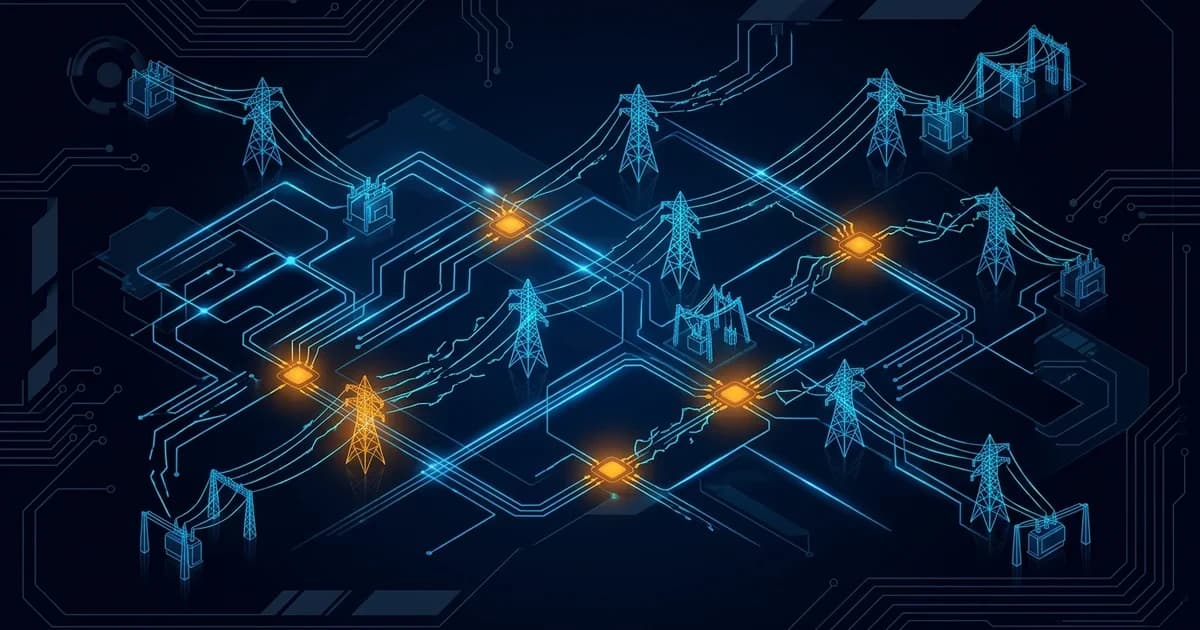
The critical infrastructure targeting is particularly concerning given the potential for real-world impact. Compromises in communications, energy, and manufacturing sectors could affect essential services that communities depend upon daily. The pre-positioning behavior observed suggests these actors are preparing for potential future operations, making detection and remediation a matter of national security importance.
Practical next steps for teams
Even if you are not in a critical infrastructure sector, Volt Typhoon's techniques apply broadly. Review your network segmentation, particularly between IT and operational technology environments. Audit your detection capabilities to ensure you can identify anomalous use of legitimate tools, not just known malware. Focus on behavioral indicators like unusual PowerShell execution, unexpected credential access, and lateral movement patterns.
If you are in a critical infrastructure sector, prioritize the specific mitigations outlined in the joint advisory. Engage with CISA and sector-specific information sharing organizations for additional guidance. If you only have time for one action today, verify that your network segmentation would prevent an initial IT compromise from reaching operational technology systems.
3SN perspective
Advanced threats require sophisticated defenses, but the fundamentals remain unchanged. Strong network architecture, good credential hygiene, and comprehensive logging provide the foundation for detecting even the most advanced actors. Organizations should invest in detection capabilities that focus on behavior rather than signatures, enabling identification of novel threats that bypass traditional defenses. Security that observes and analyzes normal patterns can quickly identify when those patterns change, regardless of the attacker's sophistication.